
Article Plan: Pierce County Code Egress Requirements for 2-Story Houses
Pierce Manufacturing focuses on fire apparatus‚ while this article details crucial safety standards for residential buildings‚ specifically two-story homes within Pierce County.
Pierce County‚ Washington‚ maintains a comprehensive set of building codes designed to ensure the safety and well-being of its residents. These codes‚ regularly updated to reflect best practices and evolving safety standards‚ govern all aspects of construction‚ from foundations to roofing‚ and crucially‚ life safety features like egress.
Adherence to these codes isn’t merely a matter of compliance; it’s a commitment to protecting lives. The building codes are based on nationally recognized models‚ adapted to address the specific geographical and environmental conditions present within the county. Pierce Manufacturing‚ while focused on fire safety equipment‚ indirectly supports these goals by providing tools for emergency responders. Understanding these regulations is paramount for homeowners‚ builders‚ and developers alike‚ ensuring projects meet required safety benchmarks.
Importance of Egress in 2-Story Residences
Egress – the ability to quickly and safely exit a building during an emergency – is particularly critical in two-story homes. Unlike single-story dwellings‚ occupants on upper levels face increased challenges in evacuation‚ making clearly defined and readily accessible escape routes essential.
Fire‚ structural collapse‚ or other unforeseen events can rapidly create hazardous conditions. Adequate egress provisions‚ as outlined in Pierce County building codes‚ minimize risk by providing multiple escape options. This includes appropriately sized doors and windows‚ unobstructed pathways‚ and functional stairways. Pierce Manufacturing’s dedication to firefighter safety underscores the importance of swift and effective emergency response‚ which is facilitated by compliant building egress systems.
Defining Egress: Key Terminology
Understanding specific terms is crucial when navigating Pierce County egress codes; Means of Egress encompasses the complete path from any point within a building to a safe exterior location. This includes doors‚ hallways‚ stairways‚ and exterior escape routes. An Egress Path is the continuous route along the means of egress‚ requiring clear and unobstructed travel.
Finally‚ Egress Discharge refers to the point where the egress path terminates‚ typically a public way. Like Pierce Manufacturing’s focus on reliable apparatus‚ these components must function flawlessly. Proper definition and adherence to these terms ensure a safe and compliant evacuation strategy for all residents.
Means of Egress
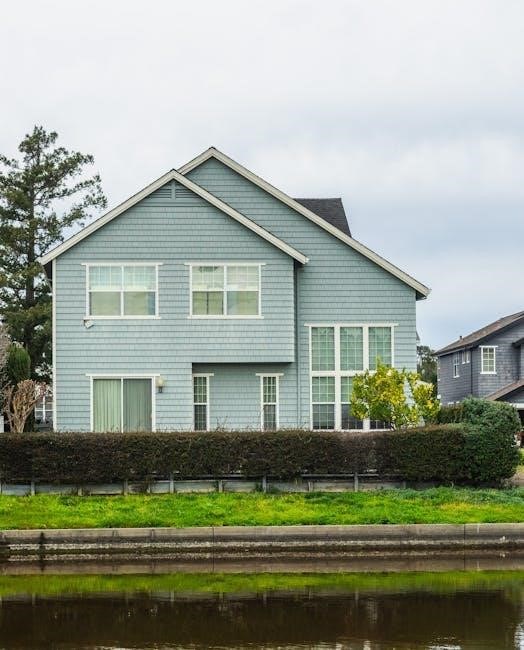
The Means of Egress‚ as defined by Pierce County building codes‚ represents the complete pathway for safe evacuation from a two-story dwelling. This system isn’t simply a door; it’s a continuous sequence encompassing all exit access elements. It includes horizontal and vertical components like hallways‚ stairs‚ and doorways‚ leading to a safe exterior discharge point.
Similar to how Pierce Manufacturing designs apparatus for peak performance‚ the means of egress must be consistently reliable. Codes dictate unobstructed pathways‚ appropriate lighting‚ and fire-resistant materials. A well-defined means of egress is paramount for occupant safety during emergencies‚ ensuring swift and orderly evacuation.
Egress Path
The Egress Path‚ within Pierce County’s building regulations‚ specifically details the route a resident takes during evacuation from a two-story home. Unlike the broader ‘Means of Egress‚’ this focuses on the actual traveled way. It must remain clear of obstructions – furniture‚ storage‚ or any impediment to swift movement – mirroring the clear operational space Pierce Manufacturing prioritizes in its fire trucks.

Codes mandate sufficient width and height along the path‚ alongside appropriate illumination. The path must lead directly to an egress discharge point‚ ensuring a continuous and unobstructed escape route. Regular inspection and maintenance are crucial to uphold a safe and compliant egress path.
Egress Discharge
Egress Discharge‚ as defined by Pierce County codes for two-story homes‚ represents the final point of exit from the building – typically a door leading to a yard‚ street‚ or designated safe area. Similar to how Pierce Manufacturing’s fire trucks deliver personnel to the emergency scene‚ this point must allow for safe and efficient dispersal.
Regulations dictate adequate space at the discharge point‚ free from hazards. It cannot lead to a dead end or obstructed area. The ground surface must be stable and capable of supporting occupants. Clear signage and unobstructed access are paramount‚ ensuring swift evacuation during emergencies‚ mirroring the reliability expected from Pierce apparatus.
General Egress Requirements for 2-Story Homes in Pierce County
Pierce County mandates that all two-story residences possess multiple‚ independent means of egress‚ ensuring occupant safety during fire or other emergencies. This echoes Pierce Manufacturing’s commitment to reliable emergency response vehicles. Each story must have access to at least two distinct escape routes – doors and approved emergency escape windows.
These routes must lead to a public way or a designated safe area. Egress paths need to be continuously unobstructed and readily accessible. Codes specify minimum width requirements for hallways and doorways‚ facilitating swift evacuation. Regular maintenance of these routes is crucial‚ similar to the upkeep of Pierce fire apparatus‚ guaranteeing operational readiness.

Door Requirements for Egress
Pierce County building codes dictate specific requirements for doors serving as egress points. All exterior doors must be easily openable from the inside without a key or special knowledge‚ mirroring the quick response needed from Pierce fire trucks. Minimum door width is 32 inches clear‚ allowing for unobstructed passage.
Door swing direction is critical; doors must swing in the direction of egress travel. Self-closing doors are permitted‚ but must remain latched during a fire. Hardware must be readily graspable and operable without tight grasping‚ similar to the intuitive controls found in Pierce apparatus. Consistent adherence to these standards ensures safe and efficient evacuation.
Minimum Door Width
Pierce County mandates a minimum clear door width of 32 inches for all egress doors in two-story residences. This dimension ensures individuals can safely and quickly exit during emergencies‚ much like the rapid deployment capabilities of a Pierce fire truck. The measurement is taken when the door is open 180 degrees.
This requirement accommodates individuals with disabilities and allows for easier passage with emergency equipment. Any obstructions‚ like doorstops or furniture‚ cannot reduce the effective width below 32 inches. Consistent adherence to this standard is vital for life safety‚ mirroring Pierce’s commitment to firefighter safety and performance.
Door Swing Direction
Pierce County building codes dictate that egress doors must swing in the direction of travel‚ facilitating a swift exit during emergencies. This means the door should open outwards from the room or building‚ similar to how a Pierce fire truck’s doors open for rapid response. This prevents occupants from being hindered by inward-swinging doors blocked by people evacuating.
Exceptions may apply with specific approvals‚ but the general rule prioritizes unobstructed egress. The swing path must also remain clear of obstructions. This requirement is crucial for ensuring a safe and efficient evacuation‚ mirroring the operational efficiency of Pierce’s apparatus designs.
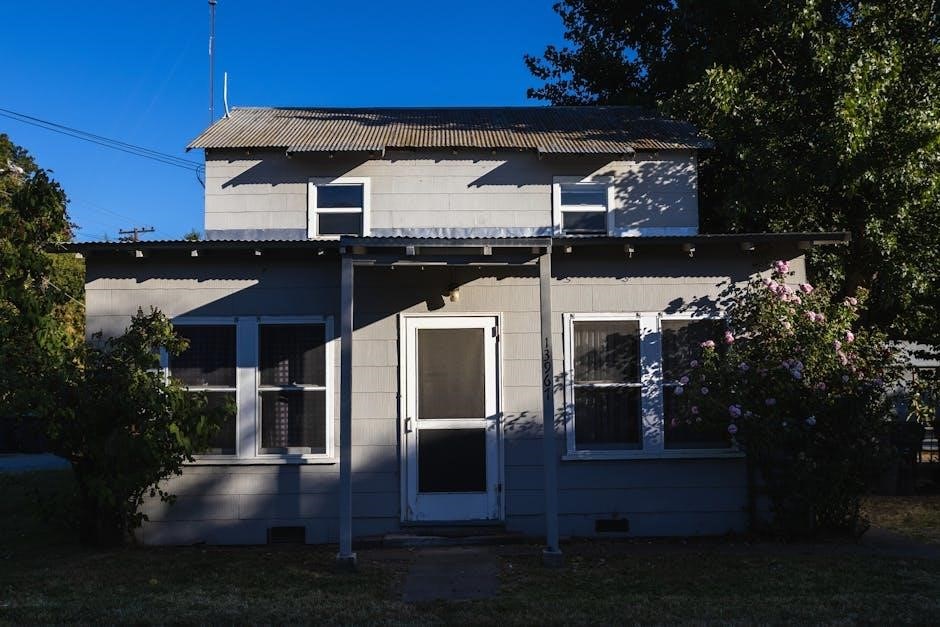
Window Requirements for Egress
Pierce County codes establish specific window criteria for emergency escape‚ functioning as vital secondary egress points. These requirements ensure residents have a safe alternative exit if primary doors are blocked‚ much like the multiple access points on a Pierce fire truck for efficient crew deployment.
Windows designated for egress must provide a minimum clear opening‚ allowing for unobstructed passage. They must also be operable from the inside without the use of keys‚ tools‚ or special knowledge. These regulations prioritize quick and easy escape‚ mirroring the rapid response capabilities of Pierce’s emergency vehicles.
Minimum Window Opening Area
Pierce County building codes mandate a minimum clear opening area of 5.7 square feet for egress windows. This ensures sufficient space for a full-sized adult to escape quickly during an emergency‚ similar to the spacious interiors of Pierce’s rescue trucks designed for efficient patient transport.
The opening height must be at least 24 inches‚ and the width must be no less than 20 inches. These dimensions are critical for safe and unimpeded escape. Just as Pierce apparatus are engineered for optimal performance‚ these window specifications prioritize life safety and accessibility during critical situations.
Window Sill Height Restrictions
Pierce County codes specify a maximum sill height of 44 inches from the finished floor for operable egress windows. This limitation ensures accessibility for occupants of all ages and abilities‚ mirroring Pierce’s commitment to designing apparatus accessible for diverse firefighting teams.
Lower sill heights are preferred‚ facilitating easier escape‚ especially for children or individuals with mobility challenges. The code prioritizes quick and safe evacuation‚ much like the rapid deployment capabilities of a Pierce pumper. Any window serving as a primary egress point must adhere to this height restriction to maintain compliance and occupant safety.
Stairway Egress Requirements
Pierce County building codes mandate specific stairway dimensions for safe egress in two-story homes. Stair width must be a minimum of 36 inches‚ clear of obstructions‚ allowing for efficient evacuation – similar to the clear pathways needed around Pierce fire trucks at an emergency scene.
Rise and run regulations dictate consistent step heights and depths for comfortable and safe descent. Furthermore‚ the code details requirements for headroom clearance. These standards‚ like the precise engineering of a Pierce aerial platform‚ are crucial for preventing falls and ensuring a swift escape during emergencies.

Stair Width and Rise/Run Regulations
Pierce County codes specify a minimum stairway width of 36 inches‚ ensuring adequate space for occupants to safely descend during an emergency. This mirrors the operational space needed around Pierce fire apparatus for effective response. The “rise” (vertical height of a step) must be consistent‚ generally not exceeding 7.75 inches.
Correspondingly‚ the “run” (horizontal depth of a step) must also be uniform‚ typically no less than 10 inches. These regulations‚ much like the precise control systems in a Pierce aerial platform‚ prioritize safety and prevent tripping hazards. Consistent dimensions are vital for smooth and rapid evacuation.
Handrail Requirements

Pierce County building codes mandate continuous handrails on both sides of stairways with three or more risers‚ providing crucial support during egress. Similar to the secure grip needed within a Pierce fire truck during rapid deployment‚ these handrails must be graspable. They should be between 34 and 38 inches above the stair nosing.
Furthermore‚ handrails must be structurally sound‚ capable of withstanding a specified load‚ ensuring reliability in an emergency. The design should avoid creating entrapment hazards‚ mirroring Pierce’s focus on safety in apparatus design. Proper handrail installation is paramount for safe and efficient evacuation.
Emergency Escape and Rescue Openings
Pierce County codes require every sleeping room to have at least one operable emergency escape and rescue opening. This opening must provide a minimum net clear opening of 5.7 square feet‚ allowing for swift evacuation‚ much like the rapid response capabilities of a Pierce fire truck.
The sill height of these openings cannot exceed 44 inches from the floor. These provisions are critical for firefighter rescue operations‚ mirroring Pierce’s commitment to first responder safety. Proper sizing and accessibility of these openings are vital for life safety during emergencies‚ ensuring a clear path to safety.
Specific Requirements for Bedrooms
Pierce County building codes mandate that all bedrooms within a two-story dwelling must possess a direct means of egress‚ ensuring occupant safety during emergencies. Each bedroom requires a door leading to a hallway‚ or an emergency escape and rescue opening – a window meeting specific size and operational criteria.
These requirements are paramount‚ mirroring the critical response times of Pierce fire apparatus. Closets cannot be considered as part of the egress path. The intent is to provide multiple escape routes‚ similar to the versatile capabilities of Pierce’s rescue trucks‚ safeguarding lives and facilitating efficient evacuation.
Egress from Basements (If Applicable)
Pierce County codes address basement egress with equal diligence‚ recognizing the unique challenges they present during emergencies. All basement bedrooms must have a direct exit to the exterior‚ or an egress window complying with minimum size and operability standards. These windows must open directly to a properly graded yard‚ allowing for unobstructed escape‚ much like the clear operational reach of Pierce aerial platforms.
Basement egress pathways must maintain a clear path‚ free from obstructions‚ mirroring the efficient functionality of Pierce’s pumpers. Interior stairways serving as egress routes require specific construction and fire-resistance ratings‚ ensuring safe passage during a fire event.
Smoke Alarm and Carbon Monoxide Detector Requirements Related to Egress
Pierce County mandates interconnected smoke alarms on every level of a home‚ including within each bedroom and immediately outside sleeping areas‚ ensuring early warning for safe egress. These alarms must be hardwired with battery backup‚ providing continued protection even during power outages – a reliability akin to Pierce’s durable chassis.
Carbon monoxide detectors are also required‚ particularly near sleeping areas‚ as CO is odorless and deadly. Proper alarm placement is crucial for effective evacuation‚ complementing clear egress paths. Functionality is regularly tested‚ mirroring Pierce’s commitment to peak performance and safety standards in fire apparatus.
Accessibility Considerations for Egress
Pierce County building codes address egress for individuals with disabilities‚ requiring accessible routes from all habitable spaces to a safe exterior location. This includes ensuring doorways have sufficient clear width and maneuvering space‚ similar to the operational reach of Pierce aerial platforms.
Consideration is given to ramps‚ elevators (where applicable)‚ and accessible hardware on egress doors. Emergency escape and rescue openings must also be operable by individuals with limited mobility‚ promoting inclusive safety. These provisions aim to provide equitable egress opportunities‚ mirroring Pierce’s dedication to serving diverse communities with reliable fire apparatus.
Common Code Violations Regarding Egress
Frequent violations in Pierce County homes involve blocked egress paths – furniture obstructing doorways or hallways. Insufficient window well sizes for emergency escape‚ and improperly installed or sized egress doors are also common‚ hindering safe evacuation like a malfunctioning Pierce fire truck pump.
Missing or non-functional smoke alarms near bedrooms‚ and inadequate stairway handrails represent significant safety concerns. Improperly sloped stair risers and treads also pose tripping hazards. Addressing these issues proactively‚ similar to Pierce’s rigorous quality control‚ ensures compliance and protects residents.
Resources for Pierce County Building Codes (PDF Access)
Accessing the official Pierce County Building Codes is crucial for homeowners and contractors. The county’s website provides downloadable PDF documents detailing all construction regulations‚ including specific egress requirements for two-story dwellings. These resources‚ akin to Pierce Manufacturing’s detailed product specifications‚ ensure clarity and compliance.
Direct links to relevant code sections‚ such as those pertaining to door widths‚ window sizes‚ and stairway construction‚ are available. Regularly updated PDFs reflect the latest amendments and interpretations. Utilizing these official documents‚ rather than relying on summaries‚ guarantees accurate understanding and avoids potential violations during inspections.
Permit Application and Inspection Process
Before commencing any construction impacting egress in a two-story Pierce County home‚ a building permit is mandatory. The application‚ available online or at the county building department‚ requires detailed plans demonstrating compliance with egress codes – similar to Pierce Manufacturing’s rigorous design process.
Inspections occur at various stages: framing‚ electrical‚ and final. Each inspection verifies adherence to the approved plans and the published code requirements outlined in the downloadable PDF documents. Failure to pass an inspection necessitates corrections before proceeding‚ ensuring resident safety and legal compliance. Accurate documentation is key throughout the process.
Contacting Pierce County Building Department for Clarification
Navigating building codes can be complex; the Pierce County Building Department is a valuable resource. For specific questions regarding egress requirements for two-story homes‚ or interpreting the downloadable PDF documents‚ direct contact is encouraged. Like Pierce Manufacturing’s dealer network‚ the department offers localized support.
You can reach them via phone‚ email‚ or in-person visits during business hours. Clearly articulate your query and reference the relevant code section whenever possible. Proactive communication can prevent costly errors and ensure your project aligns with safety standards. Their expertise guarantees a compliant and secure outcome.